Corporate branding is changing rapidly in 2026, and businesses are increasingly looking beyond individual branded products to create complete visual identities. Instead of using one standard T-shirt or uniform across every situation, modern companies are building coordinated wardrobes that can adapt to offices, exhibitions, events, outdoor activities, retail environments, and promotional campaigns. This growing focus on flexible brand identity is making Custom Apparels an important part of modern business branding.
A complete brand wardrobe can include T-shirts, polo shirts, jackets, hoodies, caps, shirts, sportswear, uniforms, and event apparel, all designed around the same corporate identity. When these garments share consistent colors, logos, typography, and design details, employees and brand representatives can present a recognizable image across different environments.
For businesses working with Print Factory, Custom Apparels provide an opportunity to combine branding, personalization, comfort, functionality, and modern fashion trends in one coordinated apparel strategy. Rather than treating every garment as a separate purchase, companies can create a complete clothing system that supports their brand throughout the year.
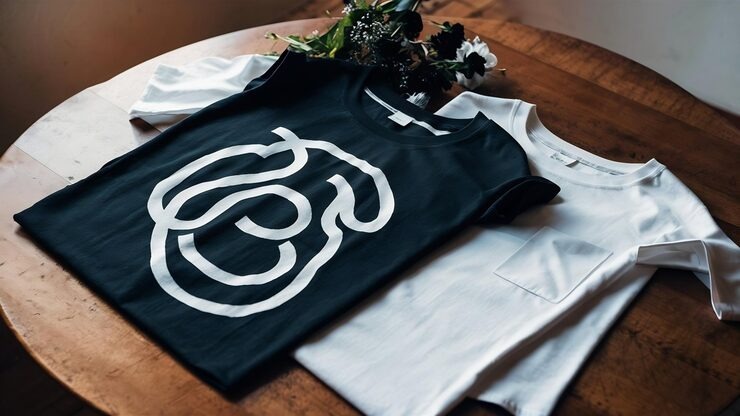
Why Custom Apparels Are Trending in 2026
The modern workplace is becoming more flexible, and corporate clothing is changing along with it. Employees may work in offices one day, attend an exhibition the next, participate in a promotional event, or represent the company at a sporting or community activity. A single type of uniform cannot always meet all of these requirements.
This is why Custom Apparels are becoming increasingly useful. Businesses can develop different garments for different occasions while maintaining a consistent brand identity. A polo shirt may be appropriate for daily customer-facing work, a formal shirt may be used for meetings, and a branded hoodie or jacket may be better suited to casual campaigns or outdoor activities.
The trend is also connected to the growing popularity of lifestyle-oriented corporate merchandise. Employees and customers are more likely to use branded clothing when it looks modern and feels comfortable. This means businesses are increasingly considering the design and wearability of Custom Apparels, rather than focusing only on placing a logo on a garment.
Building a Consistent Brand Wardrobe
A brand wardrobe works best when individual garments feel like parts of the same visual system. Companies can establish consistent brand colors, logo placement, typography, garment details, and design elements across different types of clothing.
For example, a company may use its primary corporate color on polo shirts while using a complementary shade for jackets and T-shirts. The logo can remain consistently positioned while different garments are designed for different workplace requirements. This creates visual consistency without forcing employees to wear exactly the same clothing every day.
With Custom Apparels, businesses can also develop seasonal or campaign-specific designs while keeping the core brand identity intact. This flexibility is particularly useful for companies that participate in exhibitions, product launches, festivals, sports events, and promotional campaigns throughout the year.
Custom Apparels Improve Employee Brand Representation
Employees are often the most visible representatives of a company. When they interact with customers, attend exhibitions, visit clients, or participate in events, their clothing becomes part of the company’s public image.
Professionally designed Custom Apparels can make employees easier to identify while reinforcing the company’s visual identity. Matching garments can create a more organized appearance, while different apparel categories can be assigned according to roles or environments.
Modern businesses can also move beyond a rigid uniform approach. A company might provide several approved garments that employees can combine while maintaining consistent branding. This can give employees greater flexibility while preserving a recognizable company appearance.
Comfort Is Becoming a Major Part of Branded Apparel
One of the strongest trends influencing Custom Apparels in 2026 is the growing importance of comfort. Corporate clothing is worn for long periods, so businesses are increasingly paying attention to fabric softness, breathability, weight, stretch, fit, and garment construction.
This is particularly important in the UAE, where employees may move between air-conditioned offices and outdoor environments. Different roles require different clothing characteristics, which makes fabric selection an important part of building a complete brand wardrobe.
Print Factory can help businesses consider apparel according to its intended application. Lightweight T-shirts may work well for promotional campaigns, while structured polo shirts can provide a more polished appearance for customer-facing teams. Jackets, hoodies, and other layers can provide additional options for travel, events, or cooler indoor environments.
Personalization Is Changing Custom Apparels
Personalization has become one of the major trends across fashion and promotional merchandise. Businesses are increasingly looking for ways to make branded clothing more relevant to specific employees, teams, campaigns, or communities.
Custom Apparels can incorporate employee names, job titles, departments, team numbers, event details, campaign messages, or limited-edition graphics. This allows companies to maintain one recognizable brand identity while creating variations for different groups.
Personalization can also be used for customer merchandise. A business launching a limited collection might create different designs for different audiences, while a sports organization can personalize shirts with player names and numbers. This makes Custom Apparels more versatile than conventional one-design corporate uniforms.
Sustainable Custom Apparels Are Becoming More Important
Sustainability is another major consideration in modern corporate clothing. Businesses are increasingly thinking about garment quality, product lifespan, responsible materials, production quantities, and whether promotional apparel will actually be used.
High-quality Custom Apparels can support a more practical approach to corporate clothing because durable garments are more likely to remain in use for longer. Businesses can also consider appropriate fabric choices and production quantities to reduce unnecessary inventory and replacement.
Sustainability should be considered across the entire garment lifecycle rather than being reduced to a single material choice. Fabric sourcing, manufacturing, printing, packaging, garment care, durability, and eventual disposal can all influence the overall impact of corporate apparel.
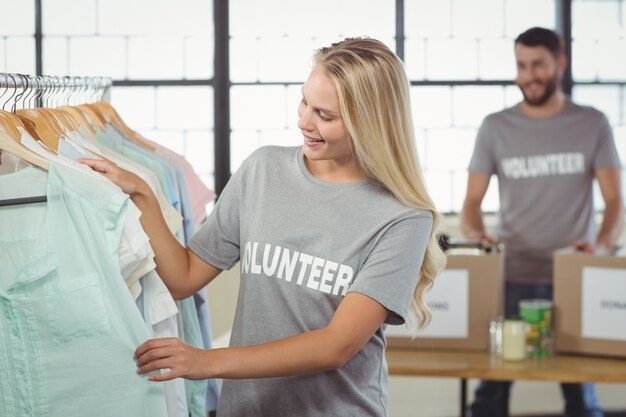
Custom Apparels for Events and Promotional Campaigns
Events provide one of the most effective environments for Custom Apparels. Exhibitions, conferences, product launches, sporting events, festivals, and corporate gatherings all require businesses to stand out visually while ensuring their teams can be identified easily.
A coordinated event wardrobe can include T-shirts, polo shirts, caps, jackets, and other branded pieces. Different garments can be used for different roles while maintaining the same corporate colors and design language.
This approach also supports experiential marketing. When event attendees receive or purchase attractive branded clothing, they may continue wearing it after the event. A well-designed piece of Custom Apparels can therefore extend a campaign beyond the venue and into everyday environments.
Choosing the Right Printing and Branding Techniques
The quality of a brand wardrobe depends on more than garment selection. The printing or decoration method needs to match the fabric, design, quantity, and intended use.
Screen printing can be suitable for certain high-volume designs, while digital printing can provide flexibility for detailed artwork and smaller quantities. Embroidery can create a textured premium appearance on polos, shirts, jackets, and caps, while sublimation can be suitable for compatible synthetic fabrics and detailed all-over designs.
For Custom Apparels, selecting the right combination of garment and branding technique helps ensure that the final products look consistent and perform appropriately. Print Factory can help businesses consider the complete project rather than selecting a printing method independently of the garment.
The Future of Custom Apparels for Business Branding
The future of Custom Apparels is moving toward complete, flexible, and lifestyle-focused brand wardrobes. Companies increasingly want clothing that employees can actually wear comfortably while ensuring their visual identity remains recognizable across different situations.
Instead of relying on one generic uniform, businesses can create coordinated apparel collections that include workwear, event clothing, promotional merchandise, sportswear, seasonal layers, and customer-facing garments. This provides greater flexibility while maintaining a consistent brand experience.
For businesses planning their next corporate wardrobe, Print Factory can help develop Custom Apparels around branding, fabric, comfort, personalization, printing, and intended use. When these elements are considered together, branded clothing becomes more than a uniform—it becomes a complete extension of the company’s identity.
FAQs About Custom Apparels
What are Custom Apparels?
Custom Apparels are garments designed or customized according to a company’s branding and specific requirements. They can include T-shirts, polo shirts, jackets, hoodies, shirts, caps, uniforms, sportswear, and other branded clothing.
Why are Custom Apparels useful for businesses?
Custom Apparels help businesses create a consistent visual identity across employees, events, promotional campaigns, and customer merchandise. They can also provide practical clothing options for different work environments and occasions.
What can be included in a complete brand wardrobe?
A complete brand wardrobe can include everyday work shirts, polo shirts, T-shirts, jackets, hoodies, caps, sportswear, event clothing, and other garments. The individual pieces can use consistent colors, logos, typography, and design elements to create one recognizable identity.
Can Custom Apparels be personalized?
Yes. Custom Apparels can include employee names, departments, job titles, numbers, event information, campaign graphics, and other personalized details. This is particularly useful for teams, events, sports organizations, and special promotional campaigns.
Are Custom Apparels suitable for UAE businesses?
Yes. Custom Apparels can be developed for different UAE business environments, including offices, retail stores, hospitality, exhibitions, events, sports activities, and promotional campaigns. Fabric and garment construction should be selected according to the working environment.
Can Custom Apparels be sustainable?
Businesses can make more responsible apparel choices by considering durable garments, appropriate quantities, responsible material options, production methods, and product lifespan. The overall sustainability of Custom Apparels depends on the complete lifecycle of the garments.
Which printing method is suitable for Custom Apparels?
The appropriate method depends on the garment, fabric, artwork, quantity, and intended use. Screen printing, digital printing, sublimation, embroidery, and other techniques can each be suitable for different Custom Apparel requirements.
Can Custom Apparels be used for promotional events?
Yes. Custom Apparel are highly suitable for exhibitions, conferences, festivals, product launches, sporting events, and promotional activations. Coordinated branded clothing can help event teams become more recognizable while extending the campaign beyond the event itself.
Why choose Print Factory for Custom Apparels?
Print Factory can help businesses create Custom Apparel around their complete branding requirements. By considering garment type, fabric, fit, printing or embroidery, personalization, and intended use together, businesses can develop a coordinated wardrobe that supports their brand across different environments.
